Acne Treatment and Scarring: Why Early Care Matters
Learn how acne develops, when to see a dermatologist, and why treating active breakouts early can help reduce the risk of lasting acne scars.
Award-winning dermatology in McLean & Woodbridge, VA
From Our Dermatology Team
Clear, physician-led guidance on medical dermatology, skin cancer prevention, cosmetic treatments, and news from our Northern Virginia practice.

Learn how acne develops, when to see a dermatologist, and why treating active breakouts early can help reduce the risk of lasting acne scars.

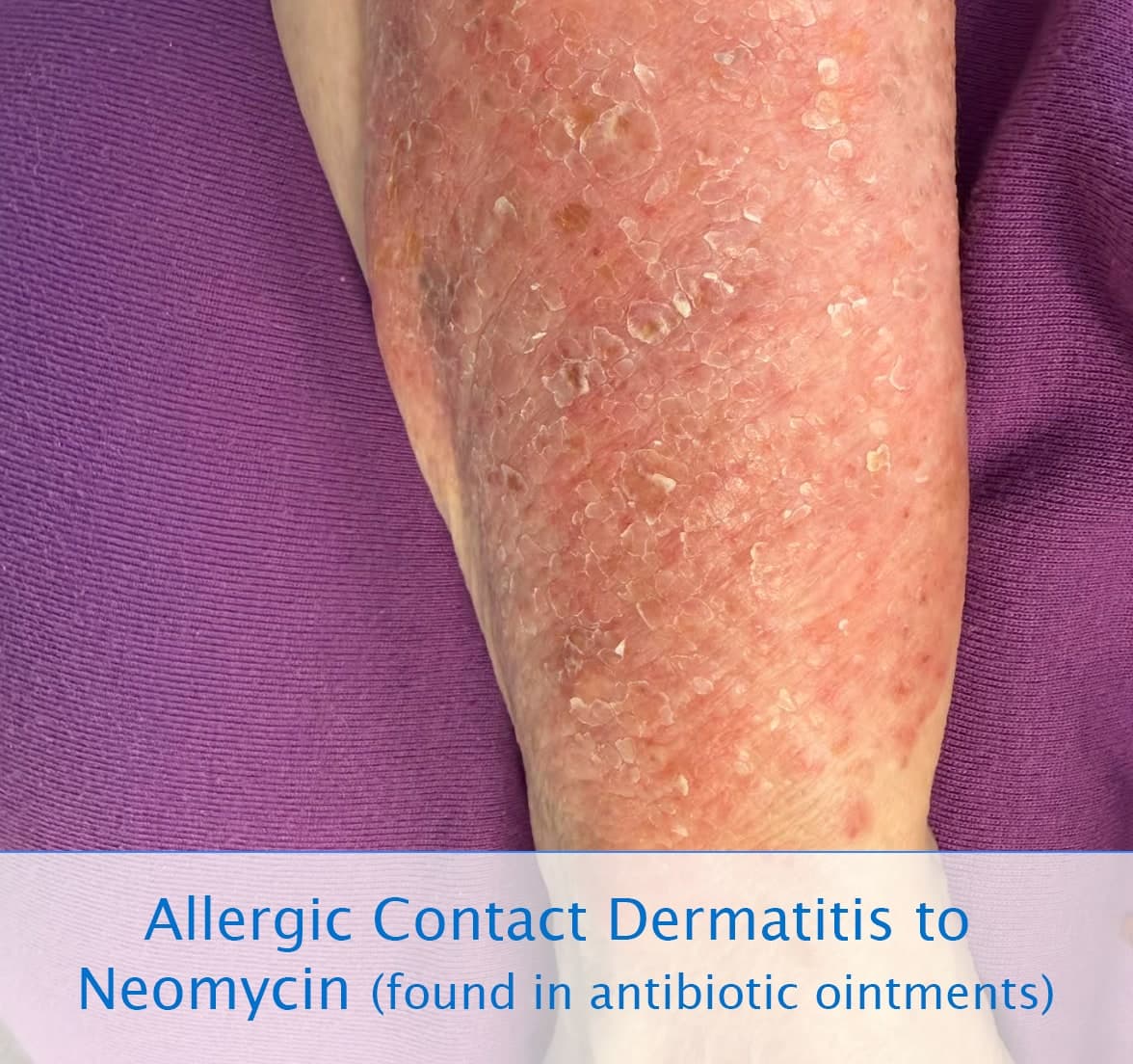
A recurring itchy rash may come from nickel, fragrance, preservatives, rubber, beauty products, or topical medications. Learn how to identify and avoid common contact dermatitis triggers.
Published August 7, 2026
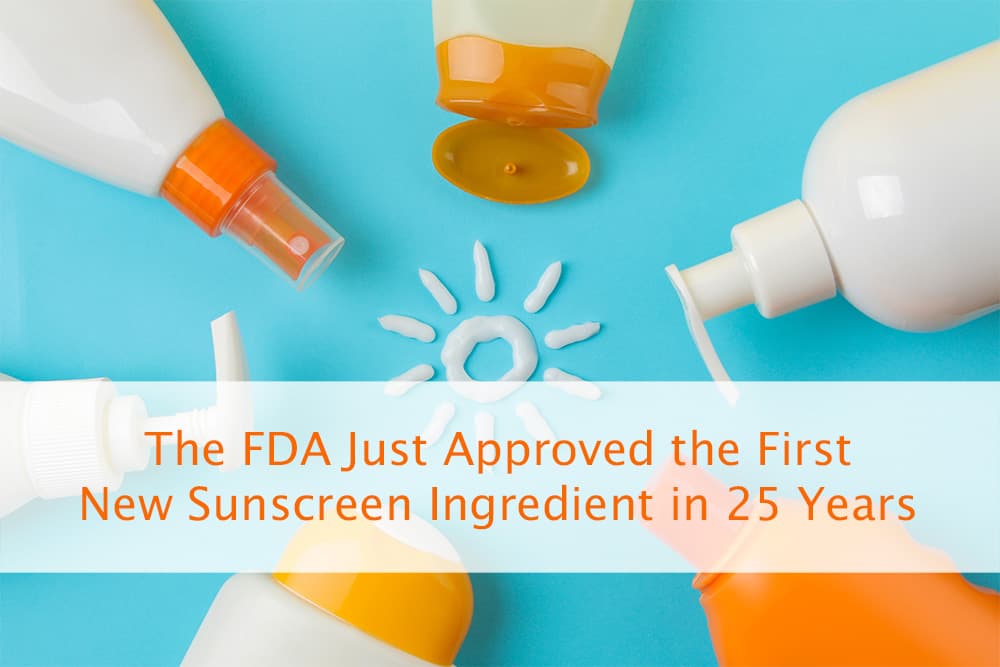
The FDA has added bemotrizinol to the U.S. sunscreen monograph. Learn how this photostable UVA and UVB filter works, when products may arrive, and what to use now.
Published June 25, 2026Browse the Archive
Showing 1–9 of 9 articles
Medical Dermatology

Learn how acne develops, when to see a dermatologist, and why treating active breakouts early can help reduce the risk of lasting acne scars.

A recurring itchy rash may come from nickel, fragrance, preservatives, rubber, beauty products, or topical medications. Learn how to identify and avoid common contact dermatitis triggers.

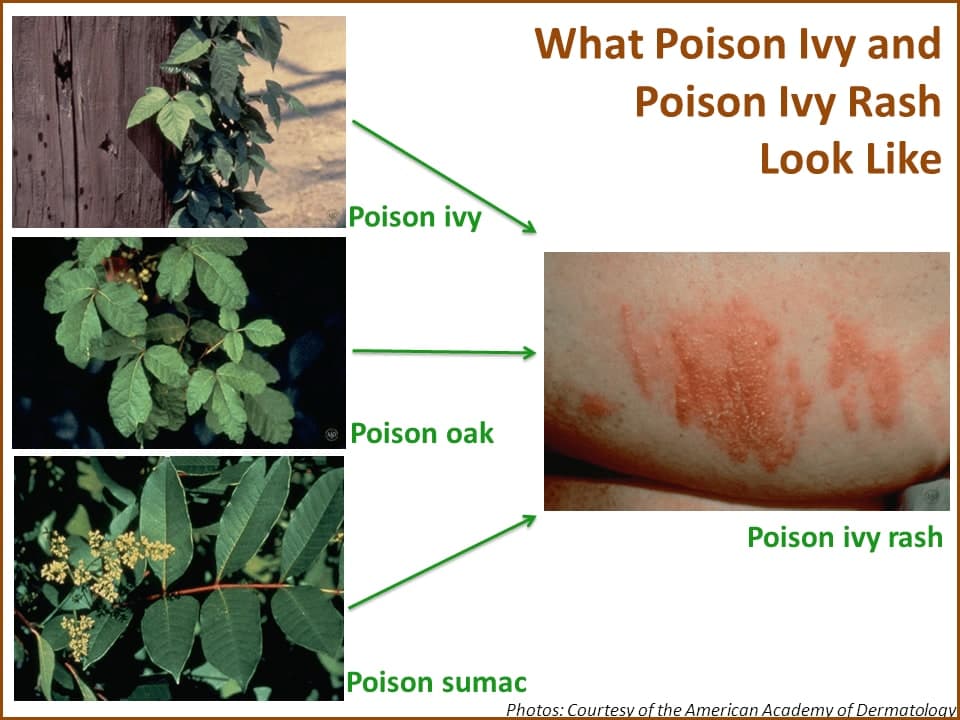
Learn how to recognize poison ivy, avoid urushiol exposure, wash safely after contact, relieve an itchy rash, and know when medical treatment is needed.

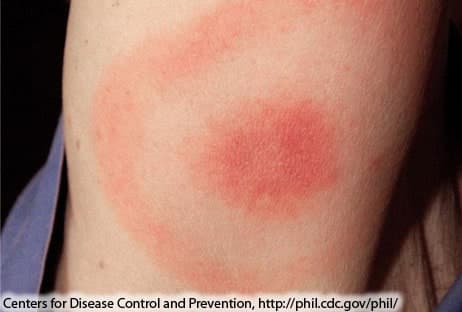
Ticks become active as temperatures rise. Learn how to prevent tick bites, remove an attached tick safely, and recognize symptoms that need medical evaluation.

Cold air, indoor heat, and hot showers can weaken the skin barrier. Use these dermatologist-informed tips to relieve winter dryness, itching, and irritation.

A practical back-to-school skincare guide for managing teen acne, sweat-induced breakouts, chafing, and irritation throughout the busy school and sports season.

Hot, humid weather can trigger heat rash, sunburn, dark spots, breakouts, and irritation. Learn how to keep your skin clear, calm, and protected throughout summer.

Spring pollen, humidity, and changing temperatures can aggravate eczema, rosacea, hives, and sensitive skin. Learn practical ways to reduce seasonal irritation and protect your skin barrier.

Managing Rosacea & Winter Redness As temperatures drop, many people with rosacea notice increased redness, irritation, and sensitivity. Cold air, harsh winds, and indoor heating can trigger flare-ups, making…